

-
Popular Now
-
-
Similar Forum Topics
-
 By jen
Wow...I packed a small soft side cooler with an ice pack at -4 F and inserted my Type K thermocouple sensor inside so I could monitor the temperature without opening. After 3 hours the inside temperature was 60 F...OMG! The ice pack was solid frozen. Standard temperature for safe storage is < 40 F. What I found by asking was that there should be no air space in the cooler. Packed with Ice preferably ice from connivence store (normally 0 F of less). Food should take up short day trip1:1 ratio.
Good coolers are expensive.
-
 By mikeexplorer
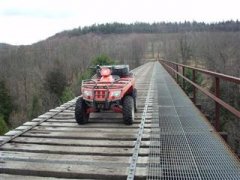
We rode here the day before the event. This is a DCNR state forest trail system. The story behind the name is miners would put their bottles of whiskey in the local springs to keep them cold until their shift was over. Part of the trail system is on old strip mines so some areas are barren, others are full forest.
-

-
 By quadcrazy
Mud riding is one of the most popular forms of ATV riding, but the wrong tires can leave you stuck fast in deep ruts and swampy trails. Choosing the best ATV tires for mud can dramatically improve traction, steering control, flotation, and overall off-road performance.
Whether you ride trails, mud parks, swamps, or backwoods terrain, this guide covers some of the top ATV mud tires available today and what makes them stand out.
What Makes a Good Mud ATV Tire?
Mud tires are designed with aggressive tread patterns and deep lugs that help clean out thick mud while maintaining traction. The best mud tires usually feature:
Deep tread lugs Wide spacing for self-cleaning Strong sidewalls Taller tire sizes for added clearance Durable construction for rough terrain 1. Maxxis Zilla
The Maxxis Zilla is one of the most popular ATV mud tires because it balances mud performance with trail comfort. It is lightweight, aggressive, and performs well in a variety of terrain conditions.
Why Riders Like It
Excellent mud clean-out Lightweight design Smooth trail ride Available in many ATV sizes Best For: Trail riders who also spend time in mud.
2. ITP Cryptid
The ITP Cryptid is designed for serious mud riding with deep tread lugs and strong sidewall construction. It provides excellent traction in deep mud while remaining durable on rough trails.
Features
Deep aggressive tread 6-ply durability Strong side bite traction Great for lifted ATVs Best For: Deep mud and swamp riding.
3. Outlaw 2 ATV Tires
The Outlaw 2 has become a favorite among hardcore mud riders thanks to its massive lugs and impressive pulling power in thick mud.
Pros
Extreme mud traction Large tread design Excellent forward bite Popular in mud parks Cons
Rougher ride on trails Heavier than trail-oriented tires Best For: Dedicated mud machines and mud bogs.
4. STI Out & Back Max
The STI Out & Back Max offers a solid balance between aggressive mud performance and everyday trail comfort.
Highlights
Durable sidewalls Great traction in loose terrain Smooth handling Long tread life Best For: Utility ATVs and hunting machines.
5. SuperATV Assassinator
The Assassinator is built for extreme mud riding and features huge paddle-style lugs capable of digging through the nastiest swamp conditions.
Features
Massive tread depths Extreme mud traction Available in oversized setups Designed for hardcore mud riders Best For: Extreme mud builds and dedicated swamp riders.
Choosing the Right Mud Tire Size
25-27 Inch Tires
Great for stock ATVs Less drivetrain strain Better acceleration 28-30 Inch Tires
Balanced performance More ground clearance Popular for trail mud riding 32+ Inch Tires
Maximum mud performance Best for lifted ATVs Ideal for deep swamp riding Larger tires may require clutch upgrades, lift kits, or gear reductions depending on your ATV.
Bias vs Radial Mud Tires
Bias Ply Tires
Stronger sidewalls Better puncture resistance Popular for aggressive mud riding Radial Tires
Smoother ride quality Improved handling Better trail comfort Most serious mud riders prefer bias-ply tires because of their durability in harsh terrain.
ATV Mud Tire Maintenance Tips
Wash mud off after every ride Check tire pressure regularly Inspect sidewalls for damage Rotate tires periodically Avoid excessive pavement riding Lower tire pressure can improve mud traction, but beadlock wheels are recommended for very low PSI setups.
Final Thoughts
The best ATV tires for mud depend on your riding style and terrain conditions. Riders who split time between trails and mud often prefer versatile tires like the Maxxis Zilla, while hardcore mud riders typically choose aggressive options like the Outlaw 2 or Assassinator.
Before upgrading to oversized mud tires, make sure your ATV can handle the added weight and drivetrain stress. Proper setup can dramatically improve your ATV’s performance in deep mud and swamp terrain.
Visit QUADCRAZY ATV Forum for ATV tire reviews, mud riding discussions, builds, and technical advice from fellow riders.
View full post
-
By quadcrazy
Pine Mountain Trails ATV Park (Oklahoma) Ride Report & Trail Guide
Located in the rugged Kiamichi Mountains of southeastern Oklahoma, Pine Mountain Trails ATV Park offers over 70 miles of natural, backcountry-style off-road trails across 1,700+ acres. This is not a groomed park—it's a raw, terrain-driven riding experience built for real off-road enthusiasts.
Trail System Deep Dive
The trail system is designed around long loops, minimizing dead ends and maximizing ride time.
Rocky climbs and descents Creek crossings and mud sections Tight wooded trails and open play areas Natural terrain with minimal artificial features Ride Conditions
Conditions vary significantly:
Dry: Fast, dusty, and loose on climbs Wet: Mud-heavy, slick, and highly technical Camping & Riding Experience
Pine Mountain offers a more primitive, nature-focused atmosphere:
Primitive camping and RV hookups available 24-hour riding for campers Less crowded than major trail systems Family-owned property with relaxed environment Fees & Access
$15 per rider (kids 10 & under free) Camping: $15/night Electric hookups available Cash only Navigation Tips
Use Google Maps for directions Limited cell service inside park Trail maps available at check-in Best Winches for Pine Mountain
With steep terrain and remote sections, a winch is essential gear.
ATV: 3500–4500 lb UTV: 4500–6000 lb Synthetic rope recommended Shop Winches Best Tires for Mountain Terrain
Deep lug mud tires (1"+ tread) 8–10 ply for durability Radial construction for mixed terrain Shop ATV Tires Essential Recovery Gear
Tow straps Shackles Air compressor Tire repair kit Shop Recovery Gear Who This Park Is Best For
This park is best suited for intermediate to advanced riders who enjoy natural terrain, elevation changes, and a more self-supported riding experience.
Final Thoughts
Pine Mountain Trails stands out as one of the best backcountry-style ATV parks in Oklahoma. With long loop trails, natural terrain, and 24-hour riding for campers, it offers a unique experience compared to more commercial parks.
Visit Pine Mountain ATV Park
View full post
-

COMMUNITY SECTIONS
ATV FORUMS
QUADCRAZY MEMBERSHIP
Be a part of best online community of ATV riders and join thousands of people who love ATVs! Share your ATV photos, videos, ATV rides, get help with your ATV and more. Not a member?

Recommended Posts
Join the conversation
You can post now and register later. If you have an account, sign in now to post with your account.
Note: Your post will require moderator approval before it will be visible.