
mikeexplorer
-
Posts
884 -
Joined
-
Last visited
-
Days Won
103
Content Type
Profiles
Forum
Gallery
ATV Magazine
Events Calendar
Downloads
Store
Community Map
Everything posted by mikeexplorer
-
Advice on ATV Trailer Brand?
mikeexplorer replied to WeeBee's topic in ATV Trailers, Haulers, and Attachments
I bought this back in 2007, it is the ATV88 model from a local dealer. I guess things have changed now that dealers don't stock much anymore. Trailer has held up well. Only changed the bearings once. Been through a few sets of tires but they are small so they wear quicker. -
Advice on ATV Trailer Brand?
mikeexplorer replied to WeeBee's topic in ATV Trailers, Haulers, and Attachments
Triton is the brand. -
That is what I use for camping, keeps the food & beers cold with no ice. I have one that has a small freezer section so I can freeze ice packs to take during the day ride.
-
Advice on ATV Trailer Brand?
mikeexplorer replied to WeeBee's topic in ATV Trailers, Haulers, and Attachments
My aluminum trailer with two quads on it is well over 1,000 pounds and it has worked well. I bought it in 2007 and is still used today. Torsion axles are good, my camping trailer has it and it works well. -
I have the spot-x. It does text only but has an SOS emergency button. I have used it to contact friends back at camp when we were delayed back because we stopped to help with an accident. There was no cell coverage in the area.
-
Renovo ATV Cruise For A Cure 2026
mikeexplorer replied to mikeexplorer's topic in ATV Picture and Video Sharing
This site lists stations that sell pure gas. (non-ethanol) https://www.pure-gas.org/ -
Advice on ATV Trailer Brand?
mikeexplorer replied to WeeBee's topic in ATV Trailers, Haulers, and Attachments
I have seen that done, load the ATV sideways, UTV forward. -
Renovo ATV Cruise For A Cure 2026
mikeexplorer replied to mikeexplorer's topic in ATV Picture and Video Sharing
They are supposed to build a few Wawa's in my area this year. To compete with Sheetz. -
Renovo ATV Cruise For A Cure 2026
mikeexplorer replied to mikeexplorer's topic in ATV Picture and Video Sharing
I have seen it sold at various places, mainly local gas stations. In Renovo this place has it. Sorry, opposite, I am 58. Northcentral PA has smoother trails then where I live. Riding options are limited where I live now so we travel to ride. What we have here is usually rocky.
-
Renovo ATV Cruise For A Cure 2026
mikeexplorer replied to mikeexplorer's topic in ATV Picture and Video Sharing
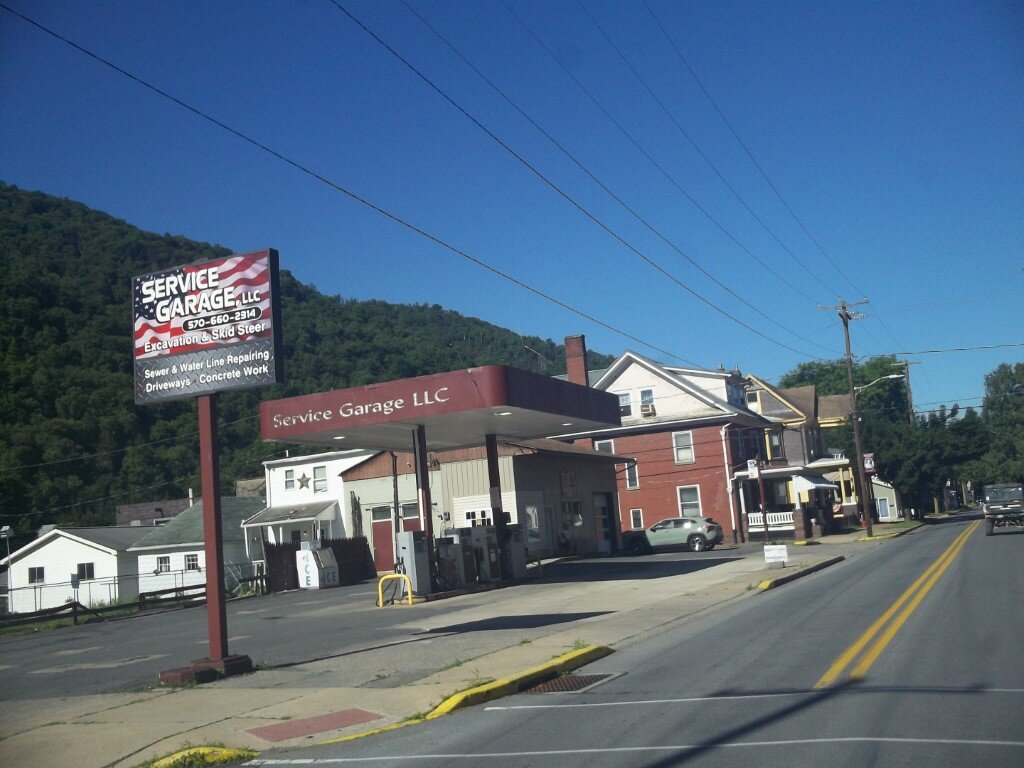
This ride was 64 miles. We have done rides pushing 100+ Her quad will be on reserve by 100 miles. I carried these mainly because I use only non-ethanol gas in the quads and generator. Turns out one gas station in town sells it. -
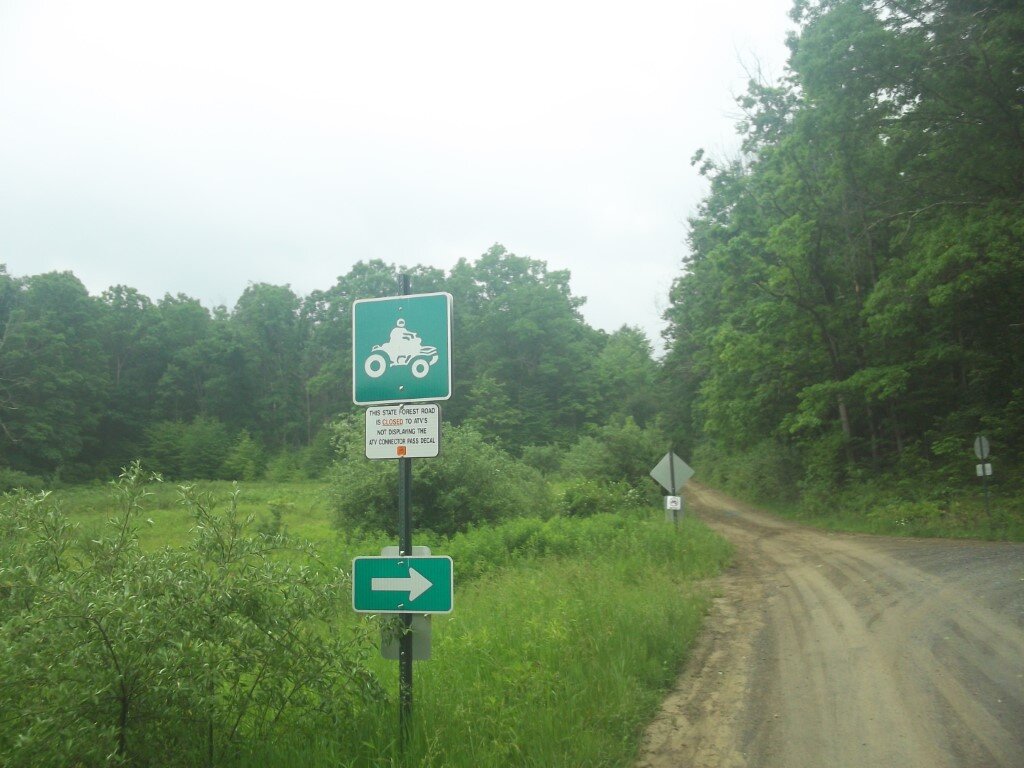
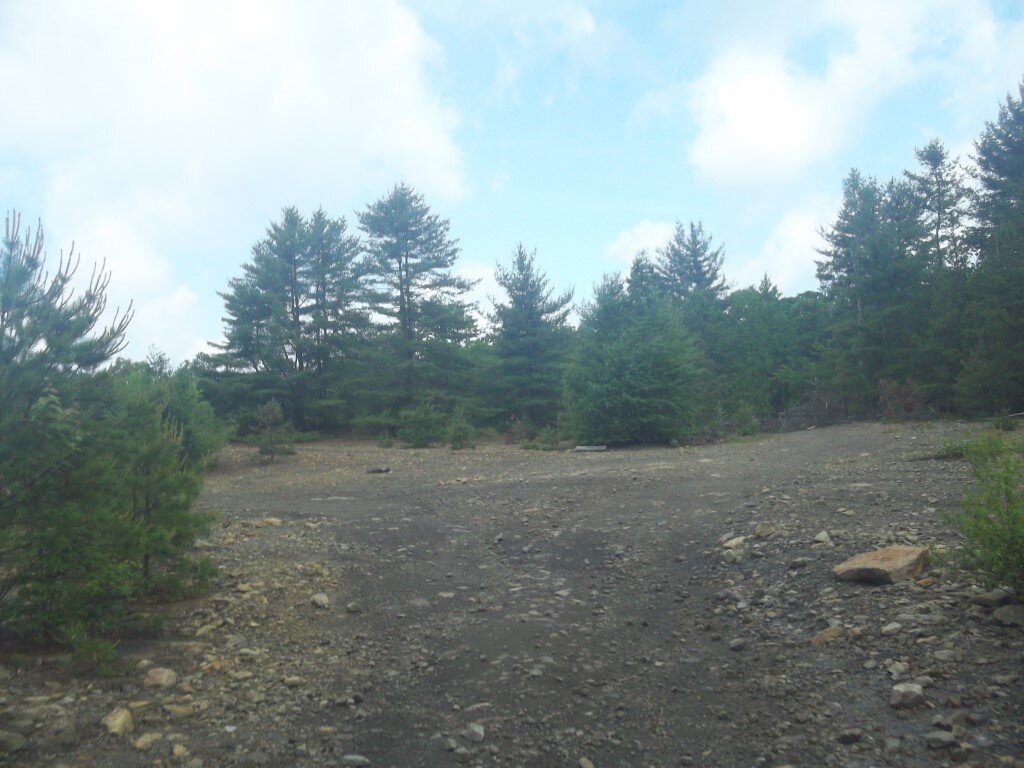
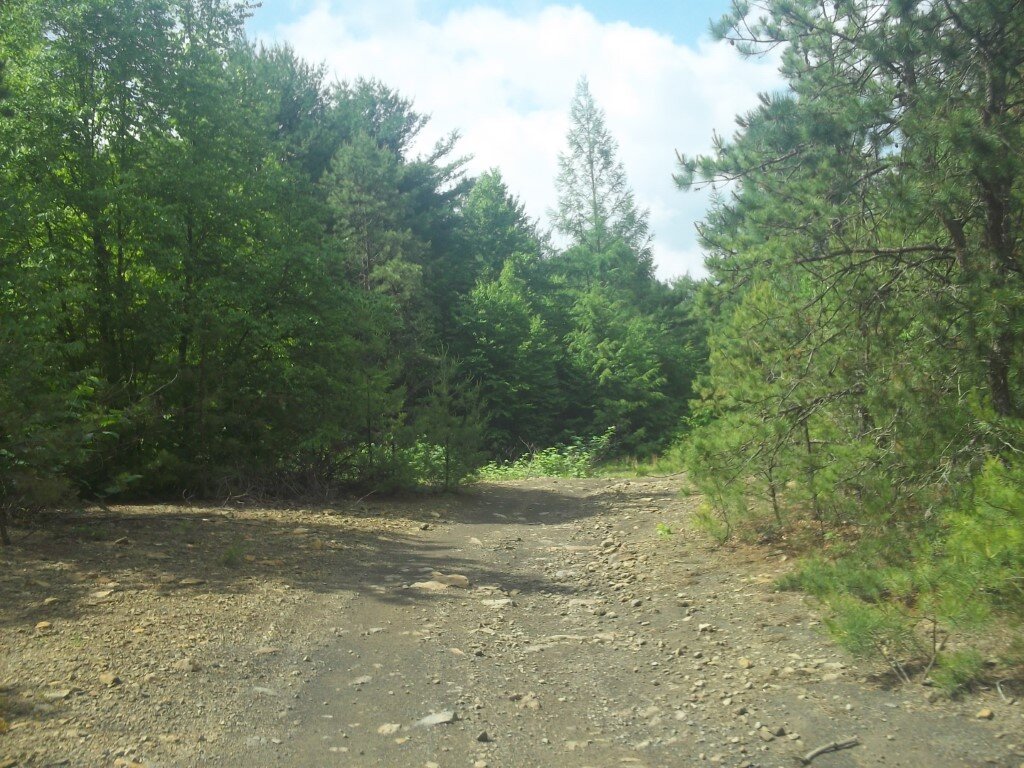
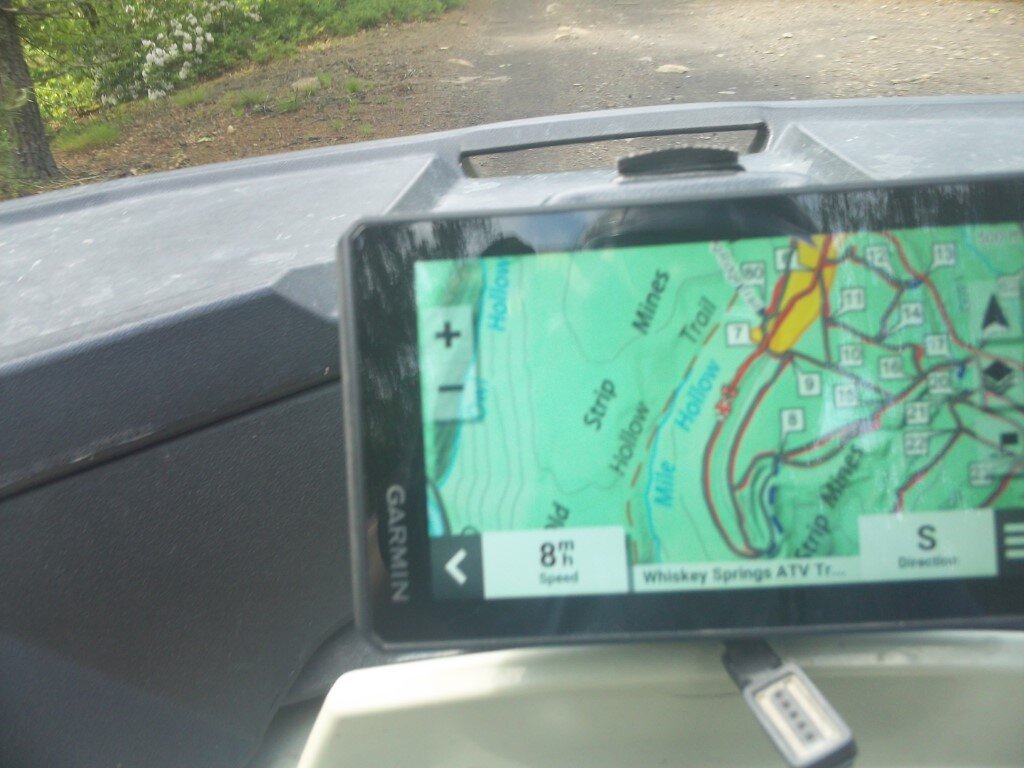
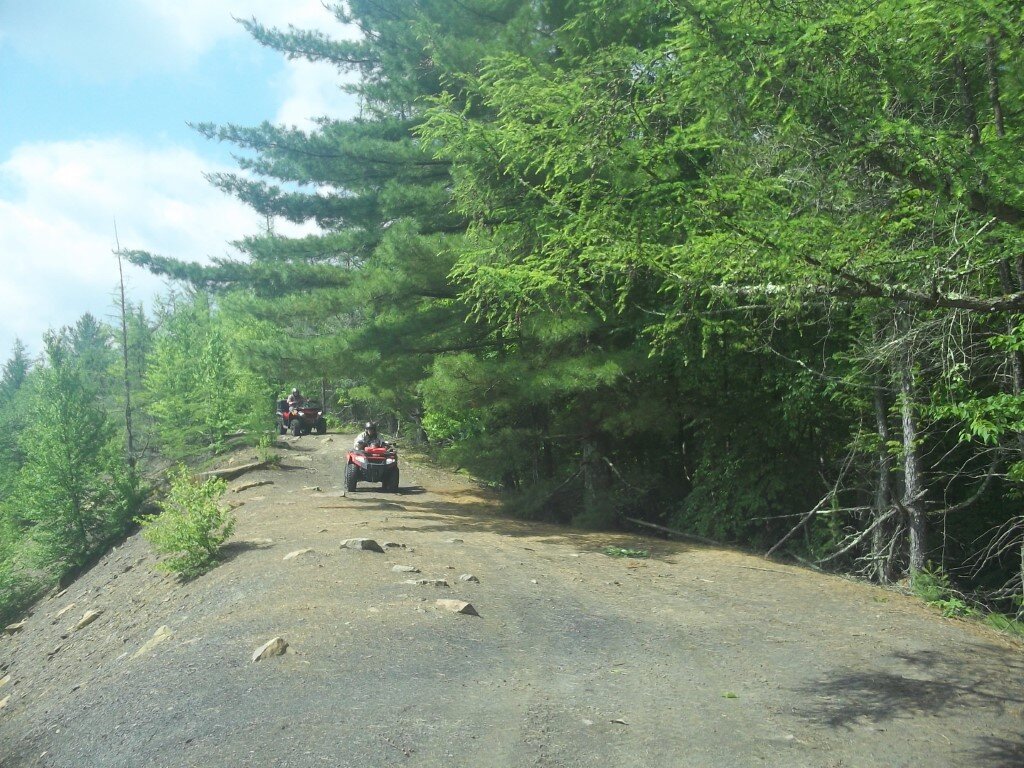
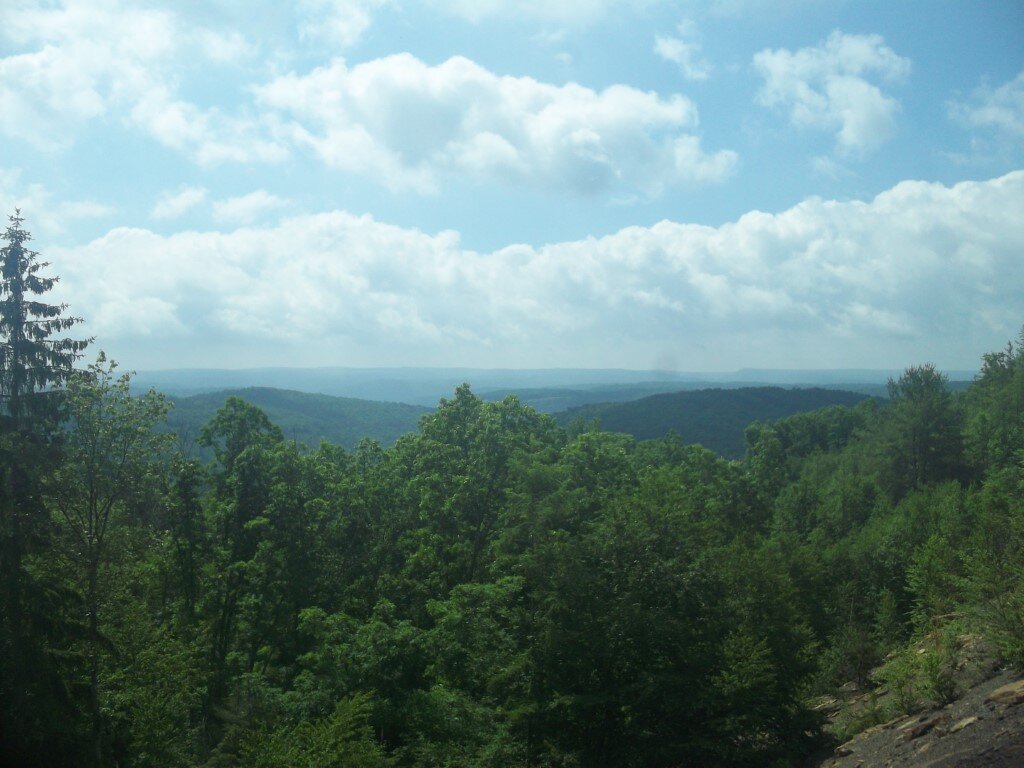
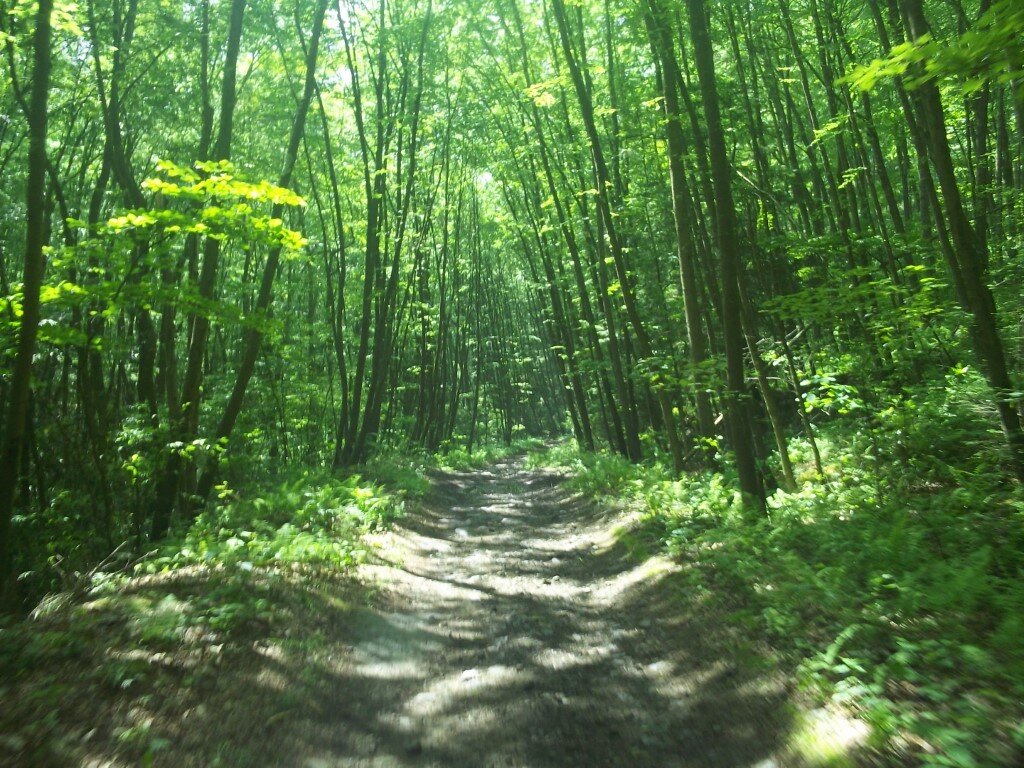
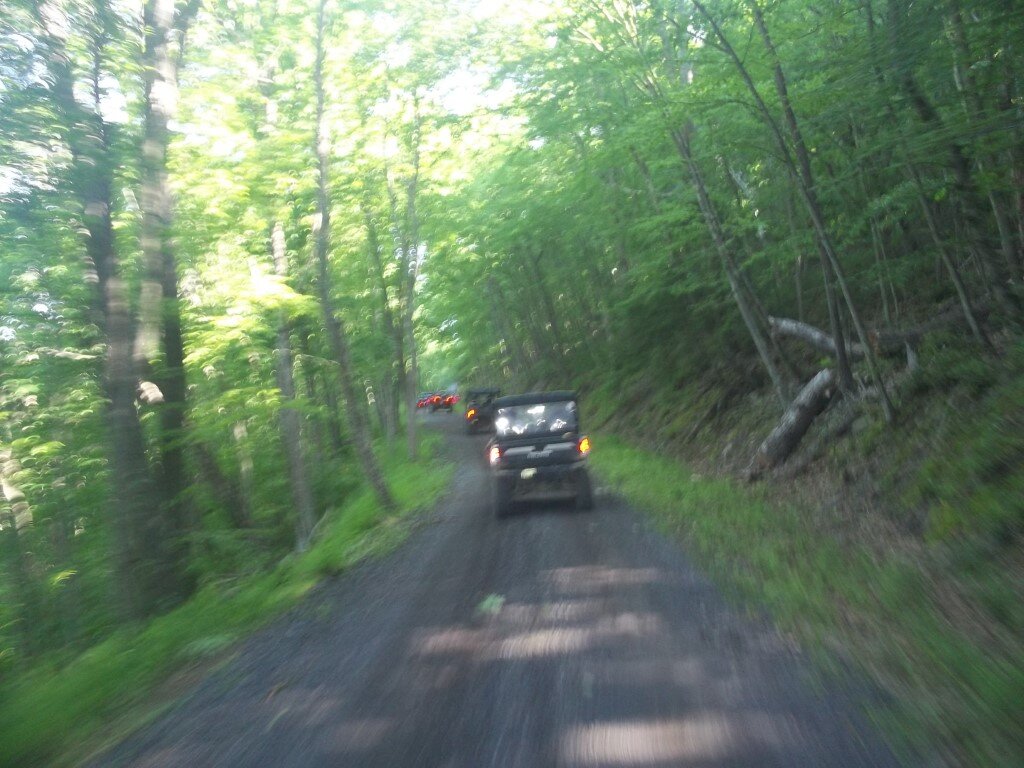
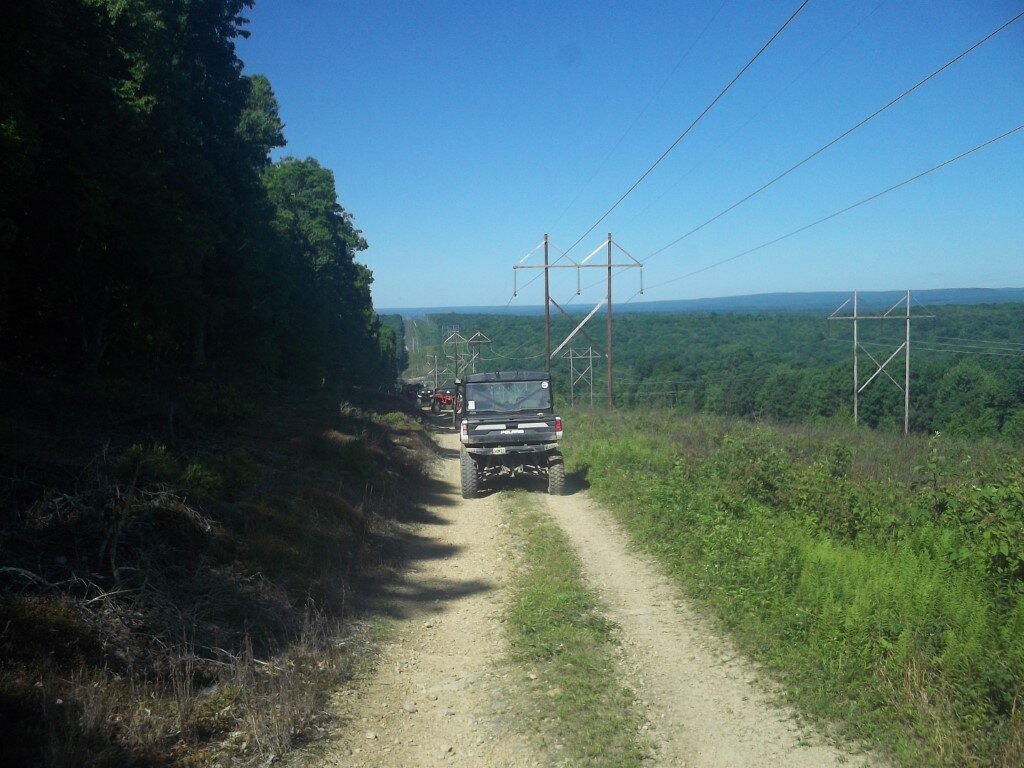
We rode here the day before the event. This is a DCNR state forest trail system. The story behind the name is miners would put their bottles of whiskey in the local springs to keep them cold until their shift was over. Part of the trail system is on old strip mines so some areas are barren, others are full forest.
-
Renovo ATV Cruise For A Cure 2026
mikeexplorer replied to mikeexplorer's topic in ATV Picture and Video Sharing
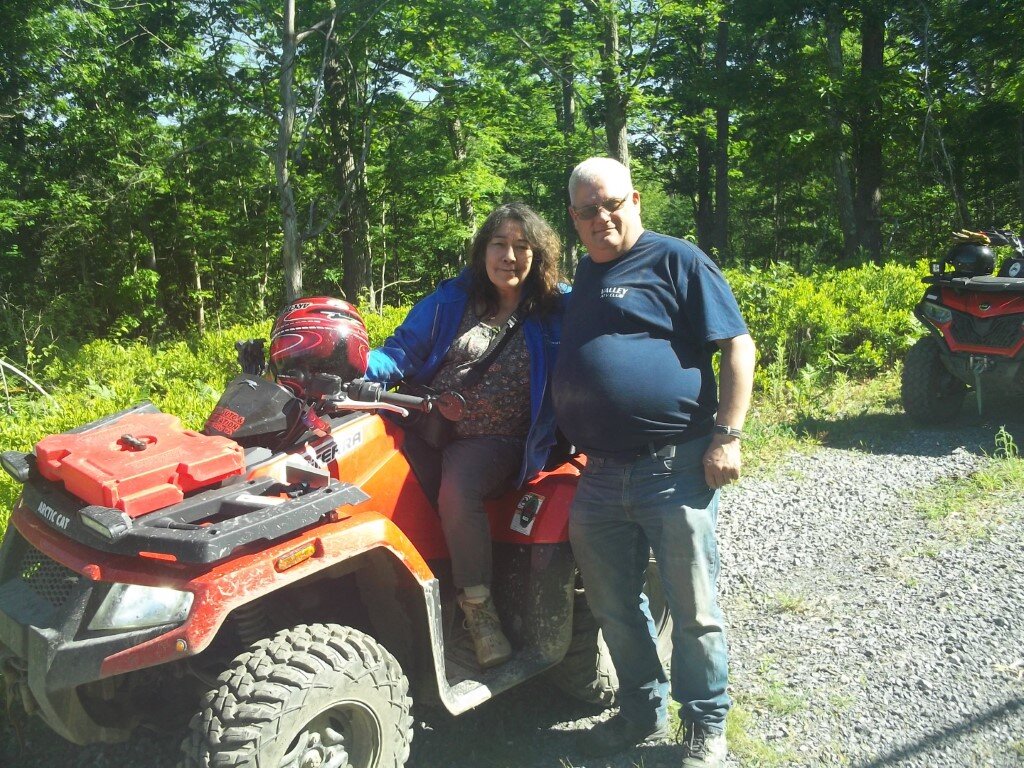
Didn't need it on this ride. Some rides we do push the limits of range. BTW: Michelle is 60 years old. Not bad eh? -
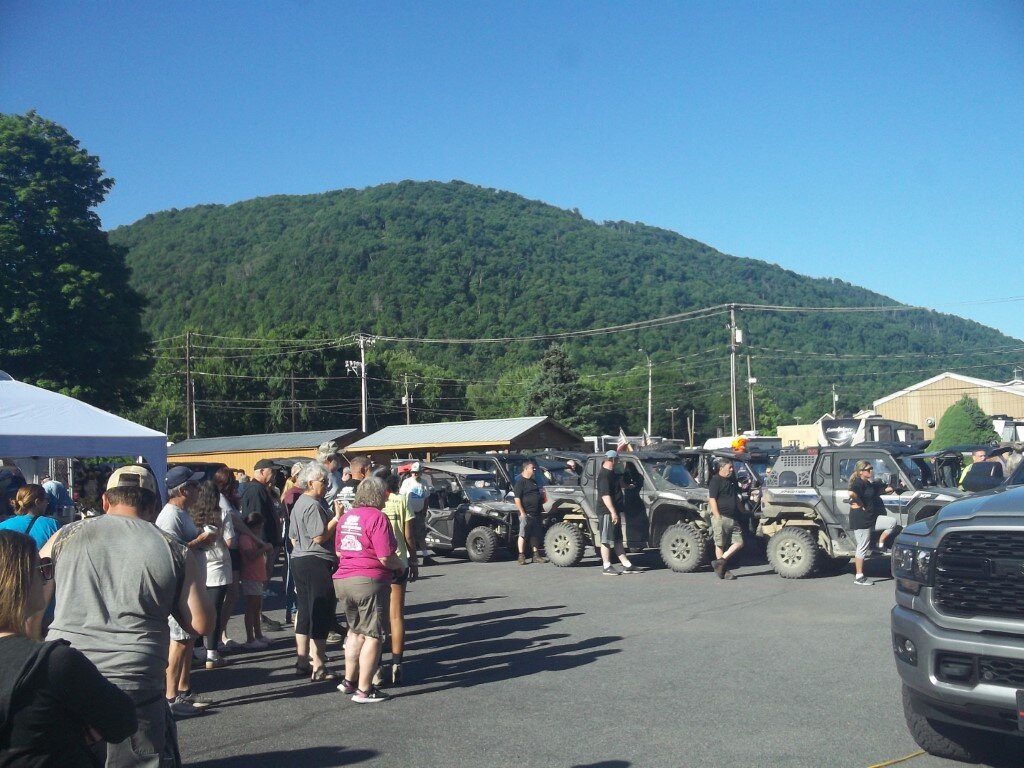
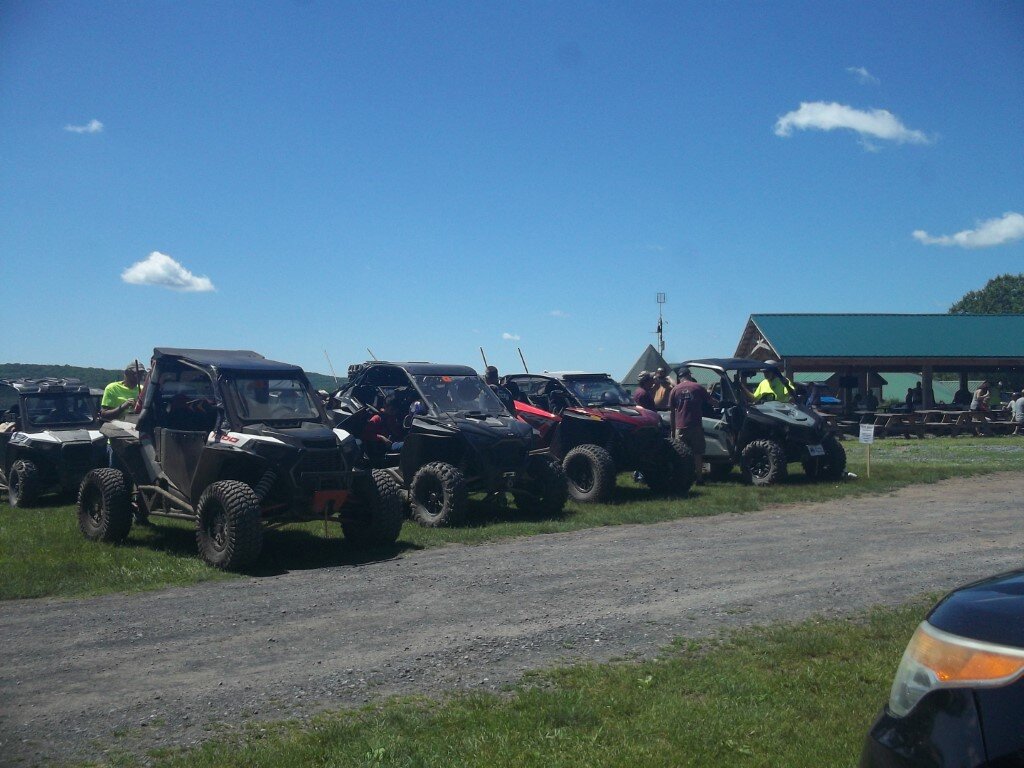
16th annual event to raise money for cancer research, For $25 you get a 64 mile ride and a chicken BBQ dinner after the ride. Can't beat it.
-
Should be easy to replace it now
-
You can download the service manual for free here. It should show you how it comes apart. https://mymowerparts.com/pdf/Arctic-Cat-ATV-Repair-and-Service-Manuals/arctic_cat_2006_dvx_utility_250_service_manual.pdf
-
The Official Good morning thread!
mikeexplorer replied to BuckBilly's topic in General Talk - Anything Goes!
Never heard of that before, but I imagine soot has antibacterial properties. -
Багги Arctic Cat 700 инжектор 2008г пропала искра
mikeexplorer replied to tepin's topic in Arctic Cat ATV Forum
Potential rub spots are where there are cross members in the frame. They tend to have sharp points from welding. -
Багги Arctic Cat 700 инжектор 2008г пропала искра
mikeexplorer replied to tepin's topic in Arctic Cat ATV Forum
You can find the schematic of your machine with this link. It is the 4th file (listed as large file) https://mymowerparts.com/pdf/Arctic-Cat-ATV-Repair-and-Service-Manuals/arctic_cat_2000_thru_2009_atv_and_snowmobileSnow_Wiring_Diagrams__NOTE_LARGE_FILE_459mb.pdf There is no schematic of the ECU itself, it is a sealed unit and not serviceable. Since you tried a donor ECU and have different results that makes me suspect your ECU. You probably have a second problem and I would suspect a problem in the wiring harness. Arctic Cats of that era were known for the wires to rub and break. You may need to remove the plastics and inspect the harness from the ECU leading out to the sensors. -
I just paid $125 for 3 machines, full coverage. I also have not had any incidents and I have been with the same company for years so that explains the rate.
-
First, the battery is probably bad which is why the starter solenoid was buzzing. Charge it and take it to a auto parts store for a load test (usually free to do) Next I would check the negative cable from the battery to where it is attached to the frame, you probably have a bad ground point. Corrosion probably. Next check the fuses, may have some corrosion there. Beyond that you will need a meter and schematic, but since you indicated not being good with electrical problems, not sure if that will help.
-
I found the service manual for your machine https://mymowerparts.com/pdf/Arctic-Cat-ATV-Repair-and-Service-Manuals/arctic_cat_2006_dvx_400_service__manual.pdf I don't know why there would be a sensor there. You should have a cable type throttle attached to the carb. I don't see that listed on either schematic so that is confusing. Try this link for the schematics https://mymowerparts.com/pdf/Arctic-Cat-ATV-Repair-and-Service-Manuals/arctic_cat_2000_thru_2009_atv_and_snowmobileSnow_Wiring_Diagrams__NOTE_LARGE_FILE_459mb.pdf Mike
-
I did not see the "prime" position on the valve originally. I owned two Arctic cats that has a fuel valve, but did not have a "prime" position. They were strictly gravity fed systems. What your saying makes sense. If the valve is leaking by, it could very well suck fuel through the vacuum line and flood the carb. Another thing to consider since it is a 2004 model to check the fuel lines. Over time the lines tend to go bad and older models were not made to use E10 fuel. I had a 2007 machine that the vent for the tank collapsed because it got soft. I ended up replacing all the fuel lines and the vacuum line. (The machine had its gas tank in the back so it used a diaphragm pulse pump using the vacuum line) Mike
-
I have had models of Arctic Cats that used that type of fuel valve. They were gravity fed fuel systems. I have had this valve go bad and had to replace it. Flooding the carb and intake is usually the float in the carb not working properly.
-
Based on that, the 2004 schematic should be the one, meaning no changes were made in 2006. Peel back a bit more of the wire covering, zooming in to your picture, it appears both the blue and brown wires are marked with a second color. Looks like to me brown/green and the blue wire has a second color, but can't make it out. I normally work on utility Arctic Cats, I never owned a DVX. Usually have no problems finding the right schematic which will tell you what that connector does.
-
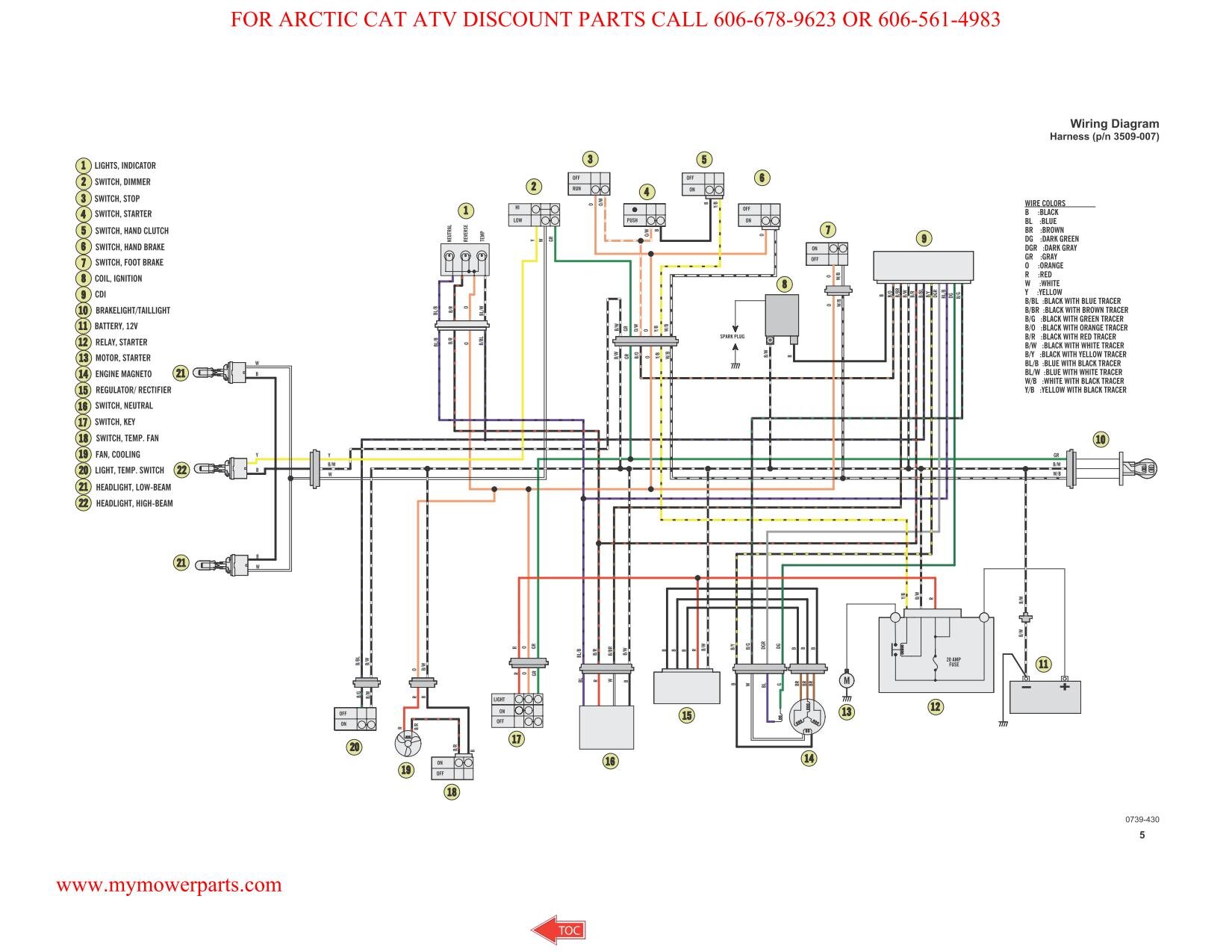
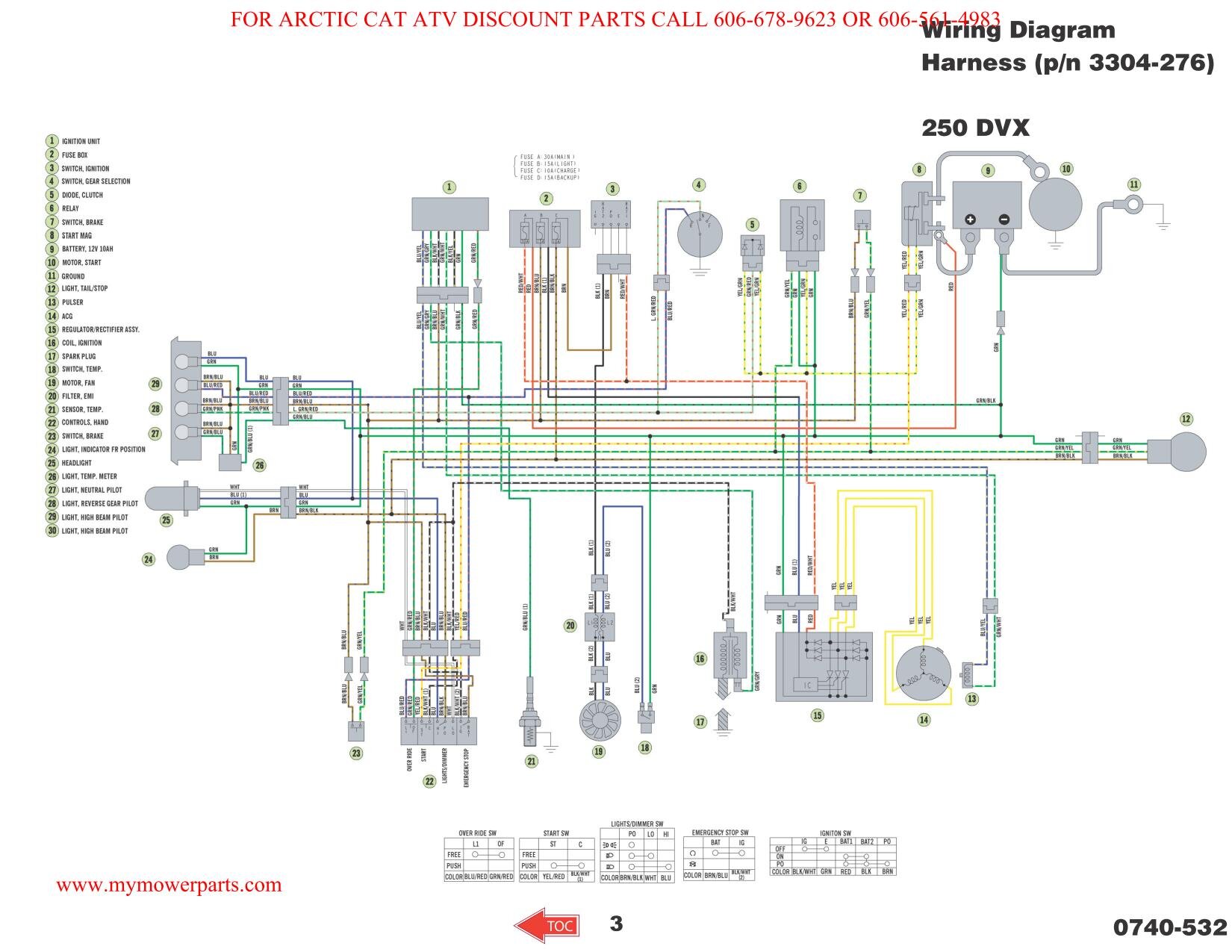
The brown is part of the wire marking. I still can't match your machine. You may have to verify the full VIN. They did make a DVX 400 in 2004, but in 2006 they only had the DVX 250. Attached are the schematics for the 2004 DVX 400 and the 2006 DVX 250. There is no match for that connector. It does look original (nobody hacked it)